
I have spent endless hours examining how players engage with table games, and one pattern is evident: side bets bring volatility and emotion into a standard round https://goldencrownn.org/. In any UK-facing online casino lobby, including Golden Crown Casino, the tables with the richest side wager selections always draw the largest crowds. The reason is simple. A side bet risks a small additional stake on an outcome not connected to beating the dealer—your first two cards forming a pair, the dealer busting with three cards, or your hand plus the dealer’s upcard creating a poker combination. These propositions carry house edges typically higher than the main game, yet the attraction is undeniable because payouts can reach 1000:1 or more. Understanding how these wagers work, their mathematics, and when they genuinely add value is essential before you commit real money. I want to give you a complete analytical breakdown that leaves no ambiguity about what you are buying into.
Comparing Side Bets Across Different Casino Platforms
The same side bet can offer materially different value based on which casino platform you choose, and I conduct direct comparisons a regular part of my analytical process. Key variables that vary between platforms are:
- The exact paytable applied
- The count of decks utilized (in blackjack)
- The software provider driving the table
- Minimum and maximum stake limits for side bets
A Perfect Pairs bet on a six-deck table with a advantageous paytable might carry a house edge about 4.5%, while the equivalent bet on an eight-deck table with a lower generous paytable could go beyond 6%—a 1.5 percentage point difference that accumulates significantly over hundreds of hands. I also contrast user experience elements: some platforms show the side bet paytable directly on the table felt, keeping it simple to check during play; others hide it in a different menu. Some platforms offer side bet history tracking that displays your results over time, which I find valuable for the objective record-keeping I advised earlier. The deposit and withdrawal infrastructure also is important because your side bet activity produces turnover that may interface with bonus wagering requirements. I invariably check the terms to understand whether side bets apply fully, partially, or not at all toward playthrough obligations. This changes by platform and by promotion, and the difference can be significant if you are progressing through a welcome offer.
In what manner Software Providers Shape Your Side Bet Experience
The side bets you can access depend significantly on which software providers drive the table games you play, because each studio develops and introduces its own set of optional wagers. Evolution Gaming, which dominates the live casino segment, offers an extensive suite of blackjack side bets such as Perfect Pairs, 21+3, Bet Behind, and various specialty tables with special propositions. Playtech’s live blackjack tables offer their own configurations, and I have noticed that the same side bet name can carry different paytables across providers. Pragmatic Play and Ezugi also hold distinct side bet portfolios. This fragmentation makes a difference because you cannot take for granted that Perfect Pairs at one table carries the same return as Perfect Pairs at another table run by a different provider. The game rules and paytables are set by the software configuration, and the casino operator picks which options to enable. When I review a platform like Golden Crown Casino, I examine the breadth of providers represented because a multi-provider lineup means the chance to use a broader variety of side bet types and paytable structures. More provider options also implies you can match up the same side bet across different tables and pick the configuration that provides the most beneficial return profile, presuming the operator makes that information transparent.
Effective Strategies for Incorporating Side Bets
If you decide that side bets belong in your play, I advise a structured plan instead of impulsive add-ons.
- Allocation: Set aside no more than 10% of your session bankroll for side bets, keeping it separate from your main game funds. Should the main bet has a very low house edge, reduce this further since the contrast in expected loss is stark.
- Selection: Select one side bet per session. This forces you to learn its specific paytable and probabilities, developing genuine understanding over time.
- Sizing: Maintain your side bet stake small enough that dropping it twenty consecutive times does not cause an emotional response or affect your main strategy. For most recreational players, that equates to betting the table minimum or less.
I also recommend tracking your side bet results separately for at least a few sessions. The data will show your actual hit frequency and return rate, which often differs from your subjective perception. That objective record is the best tool I know for reaching rational decisions about whether side bets are contributing or subtracting from your overall experience.
Mobile Gaming and Additional Bet Accessibility
The transition to mobile gaming has transformed how players interact with side bets. Screen real estate is limited, and side bet options are occasionally tucked into menus or secondary screens that are not as prominent than on desktop. I have noticed players fail to see a side bet because the interface needed an extra tap they didn’t notice. Conversely, some mobile interfaces render side bets prominent with large tappable buttons alongside the main bet area, promoting participation through visual prominence. The touch interface also risks accidental side bet placement—a mis-tap can obligate you to an unintended wager, and not all platforms provide a clear undo window. Familiarise yourself with the mobile layout before playing for real money, preferably by observing a few rounds or using a demo mode. Platforms that optimize their table games for mobile, as Golden Crown Casino does, generally offer clear bet placement controls and confirmation steps that minimize accidental wagers. The underlying mathematics remain the same on mobile, but the user interface layer can substantially impact your decision-making and error rate.
Accreditation, Equity, and Side Bet Soundness
When I assess any online casino’s side bet options, the regulatory framework overseeing those games is a critical part of my analysis. UK-licensed operators must submit their games for testing by approved laboratories that validate the mathematical integrity of every bet, including side bets. The random number generators that establish card sequences must be approved as fair and unpredictable. Live dealer games undergo additional scrutiny because the physical dealing process is supervised and recorded. This regulatory oversight means that the house edge you calculate from the published paytable is the edge you actually confront. There is no hidden manipulation or dynamic adjustment based on your betting patterns. I put significant weight on visible licensing information because it is your primary guarantee that the side bet probabilities are exactly what the mathematics indicates they should be. Reputable platforms display their licence details prominently, typically in the website footer or a dedicated information page. Golden Crown Casino operates under a recognised licensing jurisdiction, and I always check this information before recommending any platform. The licence also provides you with recourse if you consider a game has not operated fairly, because the regulator maintains complaint procedures and can investigate operator conduct. That accountability layer is absent when you play on unlicensed platforms, which is one reason I never suggest them regardless of how attractive their side bet paytables might appear.
What Exactly Determines a Casino Side Bet
A side bet is a supplementary wager paired with your standard bet, paying out apart from the main outcome. In blackjack, you can forfeit your primary hand to a dealer’s twenty-one but still collect a substantial payout because your first two cards met a specific condition. The side bet establishes a parallel contract with its own probability tree. In three-card poker, the Pair Plus wager wins based solely on your own three cards, irrespective of the dealer’s hand. The same principle applies to baccarat (betting on combined totals or pairs) and roulette (racetrack bets covering wheel sectors). The key point: these are not bonus features or loyalty rewards. They are separate gambling contracts with their own mathematical profiles, and viewing them otherwise leads to poor bankroll decisions.
Additional Wagers in Other Table Games
While blackjack dominates the side bet conversation, baccarat, roulette, and multiple poker variants all feature their own optional wagers that warrant analytical attention. In baccarat, the most common side bets are Player Pair and Banker Pair, paying when the respective hand’s first two cards form a pair. Some versions include a Perfect Pair option or a Big/Small wager on the total number of cards dealt. The Dragon Bonus rewards when your chosen hand wins by a large margin, with payouts scaling based on the point difference. These baccarat side bets typically carry house edges between 5% and 14%, starkly higher than the main banker bet’s 1.06% edge. In roulette, racetrack bets like Voisins du Zéro and Tiers du Cylindre function as side propositions covering specific wheel sectors. They do not change the fundamental 2.7% house edge on single-zero wheels, but they change the variance profile by concentrating chips on contiguous number clusters. Three-card poker’s Pair Plus and Six Card Bonus wagers are essentially pure side bets operating independently of the ante-play decision, and their house edges vary significantly based on the paytable in use.
Twenty-One Additional Wagers That Rule UK Online Casinos
Blackjack is where side bets have proliferated most aggressively, and I can name at least a dozen distinct variations across software providers. The three I encounter most frequently on UK-facing platforms are Perfect Pairs, 21+3, and Lucky Lucky. Perfect Pairs payouts when your first two cards create a pair, with tiered payouts for mixed, coloured, and suited pairs—its appeal is ease, as the condition is instantly apparent. The 21+3 wager uses your two cards plus the dealer’s upcard to create three-card poker hands, paying for flushes, straights, three-of-a-kind, and straight flushes; it attracts poker players who identify the hand rankings. Lucky Lucky payouts based on your initial two cards and the dealer’s upcard summing to 19, 20, or 21, with bonus payouts for suited combinations and triple sevens. Each of these bets settles instantly after the deal, so you understand your result before any hitting or standing decisions. That fast resolution produces a rapid cycle of anticipation and outcome that I consider psychologically engaging, but it also speeds up your exposure to the house edge because you are taking more actions per timeframe.
Less Common but High-Payout Variants
Apart from the mainstream trio, several blackjack side bets appear less frequently but provide headline-grabbing top payouts. Lucky Ladies rewards when your initial hand totals twenty, with escalating payouts for suited twenties, matched twenties, and the ultimate prize for two Queen of Hearts when the dealer has blackjack—that top payout can hit 1000:1. Royal Match rewards for suited first two cards, with a premium for a suited King and Queen. Over/Under 13 bets on whether your initial two-card total is above or below thirteen. Bust It payouts when the dealer busts, with higher payouts for busting with more cards, up to 250:1 for eight or more cards. I handle these warily because the extreme top prizes are supported by reducing lower-tier win frequency, forcing hit frequency down and variance up. The mathematical trade-off is constantly there, and no clever naming changes the underlying probabilities.
The mental mechanics Behind Side Bet Design
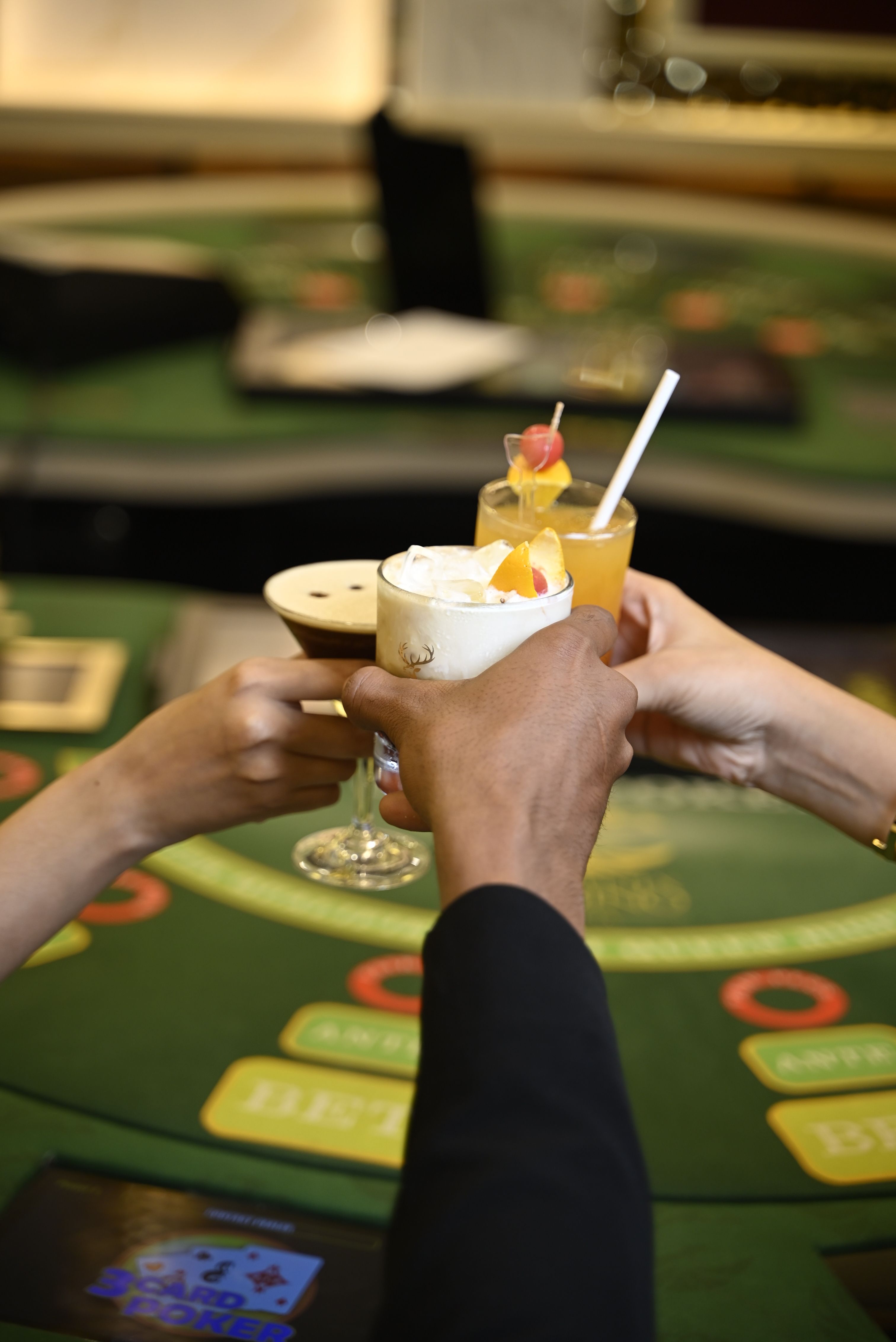
I find the cognitive architecture behind side bets genuinely fascinating because every element is engineered to encourage participation. The bet spots are positioned conspicuously on the table layout, often in vividly colored circles that attract your eye away from the main betting area. The payouts are presented in oversized font, highlighting the maximum possible win while the probability of achieving it is hidden in the fine print or excluded entirely. The names suggest luck, perfection, or fortune, generating favorable emotional associations before you even understand the mathematics. The minimum stake is usually low, often one pound or less, which makes the decision feel inconsequential in the moment—a intentional choice that lowers the psychological barrier to participation. Over a hundred hands, however, that one-pound side bet creates a hundred pounds of exposure to a high house edge proposition. The swift resolution of most side bets also factors into the design: you place the bet, the cards are dealt, and the outcome is determined within seconds. That close feedback loop stimulates the same reward pathways that make slot machines compelling, and I have observed that players who start with side bets rarely stop after just a few hands. The combination of low entry cost, fast resolution, and prominent high payouts produces a intense behavioural pull that functions below the level of conscious calculation.
The Calculations That Drive Side Bet Profitability
Every side bet I evaluate starts with a cold look at the house edge, because that number tells me directly the mathematical advantage the operator holds over infinite trials. Standard blackjack with perfect basic strategy can carry a house edge below 0.5%, extremely player-friendly. Side bets, by contrast, typically carry edges between 3% and 15%, and some novelty propositions climb far higher. Perfect Pairs, common on UK-licensed platforms, usually has a house edge around 5.8% depending on deck count. The 21+3 wager, combining your first two cards with the dealer’s upcard for a three-card poker hand, typically sits between 3.2% and 4.2% depending on the paytable. I have seen Lucky Ladies side bets with edges exceeding 24% on certain configurations. These numbers emerge directly from the probability of each winning combination multiplied by its payout, summed across all outcomes, and subtracted from the total wagered. Casinos promote side bets not to give you more ways to win, but because the margin per pound wagered is significantly higher than on the main game, compounding their revenue over thousands of hands.
Understanding Paytable Variance
When I examine a side bet, the paytable is the primary document I examine because similar-sounding wagers can carry vastly different returns depending on the payout structure. Take the common Any Pair side bet in blackjack. One version might pay 5:1 for a mixed-color pair, 10:1 for a same-color pair, and 30:1 for a suited pair. Another might pay 6:1, 12:1, and 25:1 respectively. That shift appears slight, but it changes the house edge by more than two percentage points. I always advise checking the particular paytable before placing a side bet; if the operator does not show it clearly, that is a red flag. Reputable platforms like Golden Crown Casino typically make game rules and paytables reachable within the game interface or help section. Variance also matters greatly for your session experience. A side bet with a high maximum payout but remarkably low hit frequency delivers long stretches of small losses punctuated by rare large wins—mentally punishing if you do not comprehend what you signed up for. Lower-variance side bets with frequent small payouts feel different even if the long-term expected loss is similar.
Winning Frequency and Bankroll Effects
Hit frequency—the proportion of deals where the additional wager yields a payout—is just as important as the casino advantage when deciding whether a gamble suits my bankroll targets. A bonus bet could have a 5% casino advantage with a 25% win rate, meaning you collect a return on about one in four hands. A different may feature the identical 5% margin but hit only 3% of the time, offering uncommon but larger returns. Your playing capital encounters these two gambles completely in a different way. The regular-win bet stabilizes bankroll swings because you frequently obtain minor payouts that compensate for some continuous drawdowns. The rare-payout bet generates deeper losses between wins, requiring a larger bankroll to withstand the variance. I have watched players exhaust their session budget on low-frequency side bets because they miscalculated how many consecutive defeats were probabilistically typical. My applied guideline: if you aim to participate in side bets consistently, allocate a distinct portion of your funds specifically for them and set your side bet stake based on expected drawdowns, not based on the dream of achieving the top return.
The moments when Side Bets Pay Off and When They Do Not
I want to finish this analytical overview with a realistic assessment of the situations where side bets could be a sensible addition to your play and situations where they are nearly a mistake. Side bets are most sensible when you are playing a game with an extremely low house edge on the main bet and you want to add additional volatility for entertainment purposes, with a complete understanding of the mathematical cost. If you are a skilled blackjack player counting cards, specific side bets become profitable under certain deck compositions, though this requires complex tracking and is not useful to most recreational players. Side bets also are sensible when you are playing with bonus funds that have wagering requirements and the side bet contribution rate is favourable, effectively reducing your real-money exposure while you fulfill the playthrough. Side bets are least sensible when you are playing with a small bankroll that cannot handle the additional variance, when you do not comprehend the specific paytable you are betting on, or when you are chasing losses from the main game by banking for a side bet windfall. That final pattern is extremely destructive and I have witnessed it derail too many sessions. The core principle I rely on is that side bets are entertainment products with a known mathematical cost. They are not investment opportunities, they are not skill-based challenges, and they are not a path to consistent profit. Treating them with that clarity enables you to decide whether the thrill of the possible payout is worth the certain expected loss, and that is a individual calculation that only you can make.